
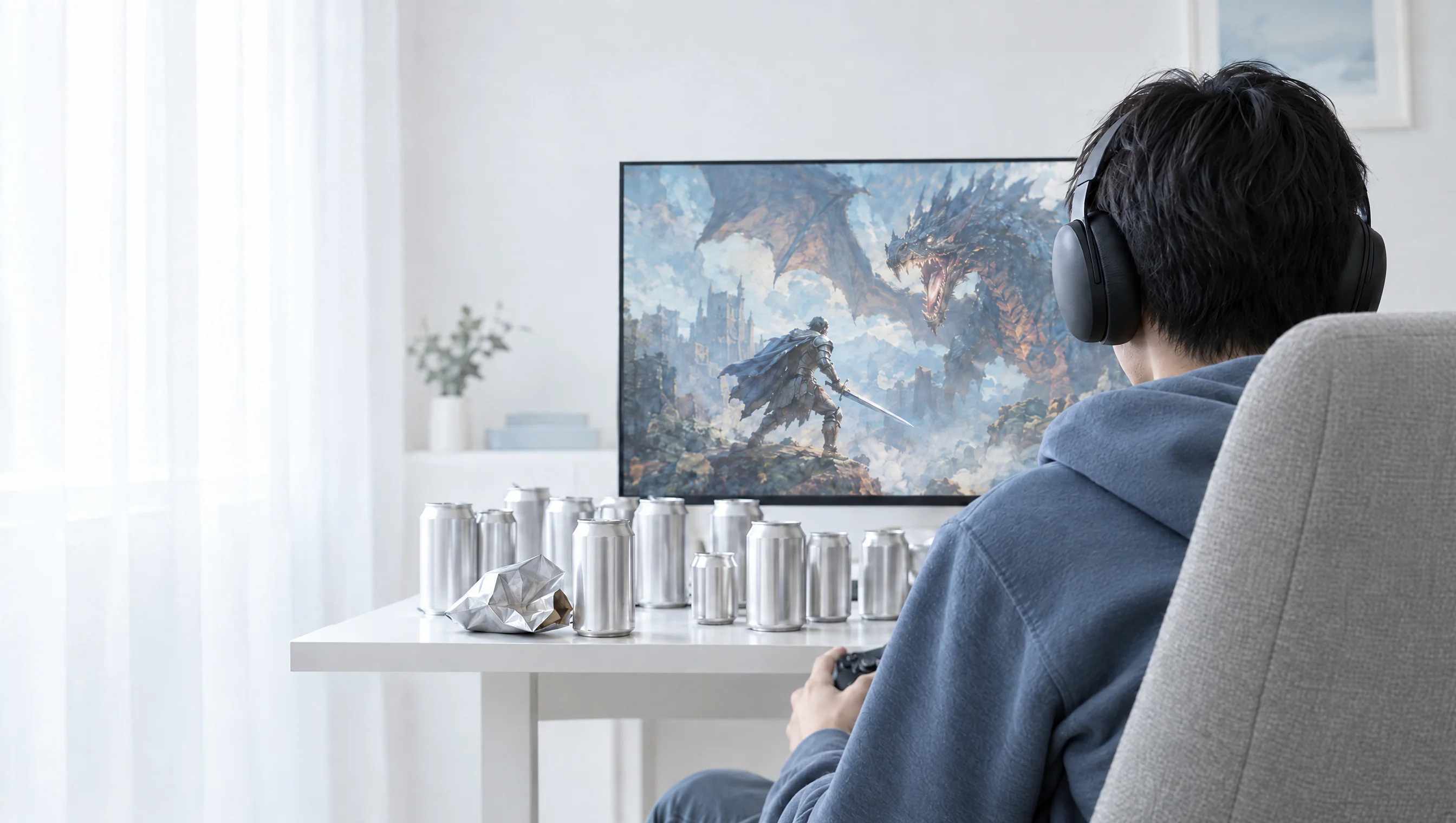
Active investigation
Did compulsive gaming harm you or your child?
Claims allege game makers engineered their products to addict minors, without warning parents of the risk.
- Free, confidential claim review
- No up-front cost, you pay nothing unless you win
- Most callbacks within 15 minutes
- Two minutes to complete the form
What the claims are about
An estimated 201 million Americans, around 61 percent of the population, play video games weekly, and addiction is a growing problem particularly among children and young adults. Video game addiction is increasingly recognised, especially among young players, because of game designs and in-game purchases that reward prolonged play. That can lead to serious mental and physical health problems. Lawsuits are being filed against the makers of Fortnite, Roblox, Call of Duty, Grand Theft Auto, Minecraft, NBA 2K, WWE 2K, Gorilla Tag, FIFA, Madden NFL and others.
What plaintiffs allege
Built to maximise time played
Claims allege reward loops, battle passes, daily streaks and loot mechanics were engineered using behavioural psychology to keep young players returning.
Minors specifically targeted
Plaintiffs argue the design deliberately exploited the vulnerability of players under eighteen, including through social pressure to keep pace with friends.
Monetised through in-game purchases
The suits allege that spending mechanics were tied to the same compulsive loops, turning prolonged play into revenue.
Health conditions linked to video game addiction
Claims cite a range of mental, neurological and physical conditions reported by heavy players.
- Mental health disorders including ADHD, oppositional defiant disorder, depression, anxiety, panic disorder, social phobia and suicide attempts
- Withdrawal and rage episodes connected to gaming
- Neurological issues including seizures and changes on CT or MRI brain scans
- Musculoskeletal injuries including carpal tunnel, gamer's thumb, trigger finger, De Quervain's tenosynovitis, tennis elbow and neck sprain or herniation
- Vision problems including computer vision syndrome and vision loss
- Hypertension
You may qualify if
- Began gaming before the age of 18
- Played regularly after 2015
- Diagnosed with a gaming-related condition, or treated for one
- Compensation may cover medical expenses, mental health treatment, pain and suffering and other damages
Time is limited, and it takes a couple of minutes to see if you qualify
- 01
Complete the form
Answer a few short questions. It takes about two minutes and costs nothing.
- 02
Get a free claim review
A claims specialist calls to discuss your situation and collect the details needed to evaluate your claim.
- 03
Pursue compensation
If you qualify, you are connected with an attorney who fights for the compensation you deserve.
Common questions
Which games are involved?
Filings name the makers of Fortnite, Roblox, Call of Duty, Grand Theft Auto, Minecraft, NBA 2K, WWE 2K, Gorilla Tag, FIFA and Madden NFL among others. List what was played and it can be checked.
My child started before 2015.
The core criteria focus on regular play after 2015 with gaming beginning before eighteen, but earlier histories are still worth reviewing.
What counts as a diagnosis?
Treatment for any of the linked conditions helps, whether from a paediatrician, therapist, psychiatrist or orthopaedic specialist. Records matter more than the exact label.
How urgent is this?
Thousands of claims are expected. The first lawsuits have been filed across several courts, and consulting a lawyer early protects your position.
Other active claims
 Active investigation
Online Gambling Addiction
Claims allege sportsbook and casino apps used addictive design and targeted personalised incentives at vulnerable users.
 Active investigation
 Active investigation
Roblox
Filings allege Roblox lacked meaningful age verification, moderation and parental safeguards, enabling adults to groom and exploit minors.
This page describes allegations made in pending litigation. Allegations are not findings of fact, and no outcome is guaranteed. Prior results do not guarantee a similar outcome. Information last reviewed August 2026.