
Active investigation
Diagnosed with cancer after using hair relaxers?
A 2022 NIH study found frequent users of chemical relaxers were more than twice as likely to develop uterine cancer.
- Free, confidential claim review
- No up-front cost, you pay nothing unless you win
- Most callbacks within 15 minutes
- Two minutes to complete the form
What the claims are about
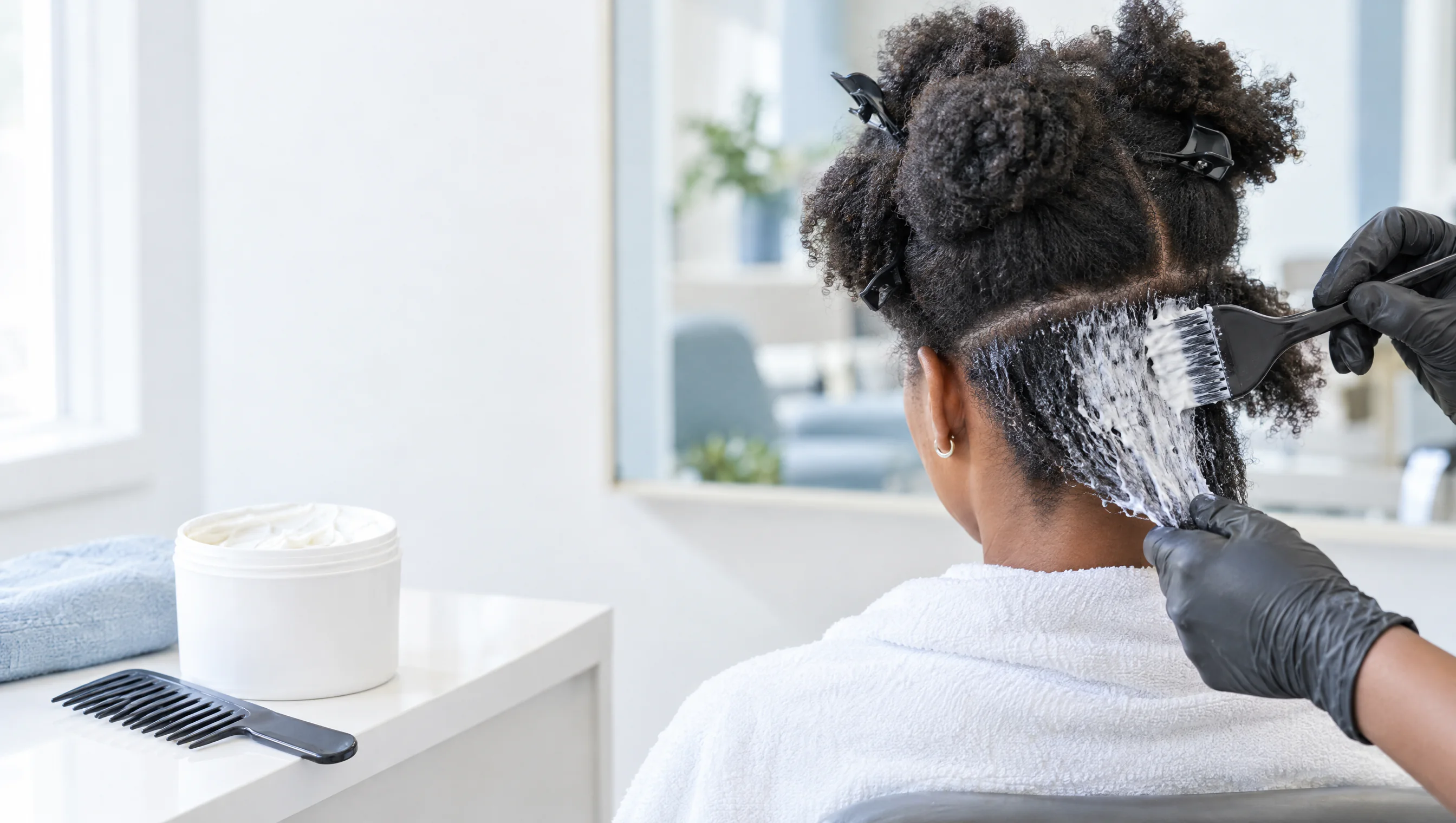
In 2022 the National Institutes of Health published results from the Sister Study, a long-running look at the health of tens of thousands of women. It found that women who used chemical hair straightening products frequently were more than twice as likely to develop uterine cancer as women who did not. Lawsuits followed, alleging that the manufacturers knew their formulations contained hormone-disrupting chemicals and marketed them heavily anyway, including to Black women and girls who were encouraged to begin using them very young.
What plaintiffs allege
Hormone-disrupting chemicals in the formula
Claims allege the products contained phthalates and other endocrine disruptors capable of interfering with the hormones that regulate the uterus.
Marketed heavily without a warning
Plaintiffs argue the products were promoted for regular, long-term use, including to young girls, with no warning about a cancer risk the science had begun to identify.
Applied to broken skin
The claims note that relaxers frequently cause scalp burns and lesions, which the suits say allowed the chemicals to be absorbed far more readily.
Diagnoses connected to these claims
Claims generally involve regular relaxer use over a period of years, followed by one of the following diagnoses.
- Uterine cancer
- Endometrial cancer
- Ovarian cancer
- Uterine fibroids requiring surgery
- Endometriosis
- Hysterectomy following one of the above
You may qualify if
- Used chemical hair straighteners or relaxers, typically several times a year over multiple years
- Later diagnosed with uterine, endometrial or ovarian cancer, fibroids or endometriosis
- The diagnosis was confirmed by a physician
- Salon use counts, as does at-home use
Time is limited, and it takes a couple of minutes to see if you qualify
- 01
Complete the form
Answer a few short questions. It takes about two minutes and costs nothing.
- 02
Get a free claim review
A claims specialist calls to discuss your situation and collect the details needed to evaluate your claim.
- 03
Pursue compensation
If you qualify, you are connected with an attorney who fights for the compensation you deserve.
Common questions
I used salon relaxers, not a box kit. Does that count?
Yes. Both salon and at-home applications are being reviewed. If you used salon services, the salon name and rough dates are helpful.
I do not remember the brand names.
That is normal after many years and it does not automatically disqualify you. Frequency and duration of use matter most at the review stage.
How much use is enough?
The NIH research focused on frequent use, described as roughly more than four times a year. Less frequent use does not automatically rule out a claim, so it is worth having your history reviewed.
Is there a deadline?
Yes. Every state limits the time to file, often measured from the date of diagnosis. Time limits are the most common reason valid claims are lost.
Other active claims
 Active investigation
Talcum Powder
Claims allege long-term talc-based body powder use is linked to ovarian cancer and mesothelioma, without adequate warning to consumers.
 Active investigation
Depo-Provera
Claims allege the Depo-Provera contraceptive injection was linked to meningioma brain tumors without adequate warning to U.S. patients.
 Active investigation
Port-a-Cath
Claims involve catheter fracture, migration, infection and blood clots in implanted ports used for chemotherapy.
This page describes allegations made in pending litigation. Allegations are not findings of fact, and no outcome is guaranteed. Prior results do not guarantee a similar outcome. Information last reviewed August 2026.